The conclusion of the Hajj pilgrimage presents a unique opportunity for devout Muslims to extend their spiritual journey by exploring the historically significant sites scattered throughout Madinah, Saudi Arabia. While the core rituals of Hajj are centered in Makkah and its surrounding sacred areas, a visit to Madinah is a common and cherished practice for nearly all pilgrims, often involving veneration at its principal mosques and engagement with its profound Islamic heritage. As the first wave of Hajj pilgrims is slated to depart on April 21, 2026, for a 40-day observance, the period following the spiritual climax of Hajj offers a window for deeper exploration.
Historically, Madinah, also known as the "City of the Prophet," served as the first capital of the Islamic caliphate and the final resting place of Prophet Muhammad (peace be upon him). Its significance transcends mere pilgrimage; it is a living testament to the early days of Islam, offering tangible connections to pivotal events and figures that shaped the faith. While the Saudi government has, since 2019, discouraged the framing of these visits as "religious tourism" in the context of Umrah and Hajj, allowing exploration of historical destinations post-pilgrimage remains a permitted and encouraged practice for those with available time and a desire for deeper engagement with Islamic history.
This article delves into some of the most compelling historical and culturally significant locations in Madinah that pilgrims can visit after fulfilling their Hajj obligations, offering a richer understanding of Islam’s formative years.
Jabal Uhud: Echoes of Faith and Sacrifice
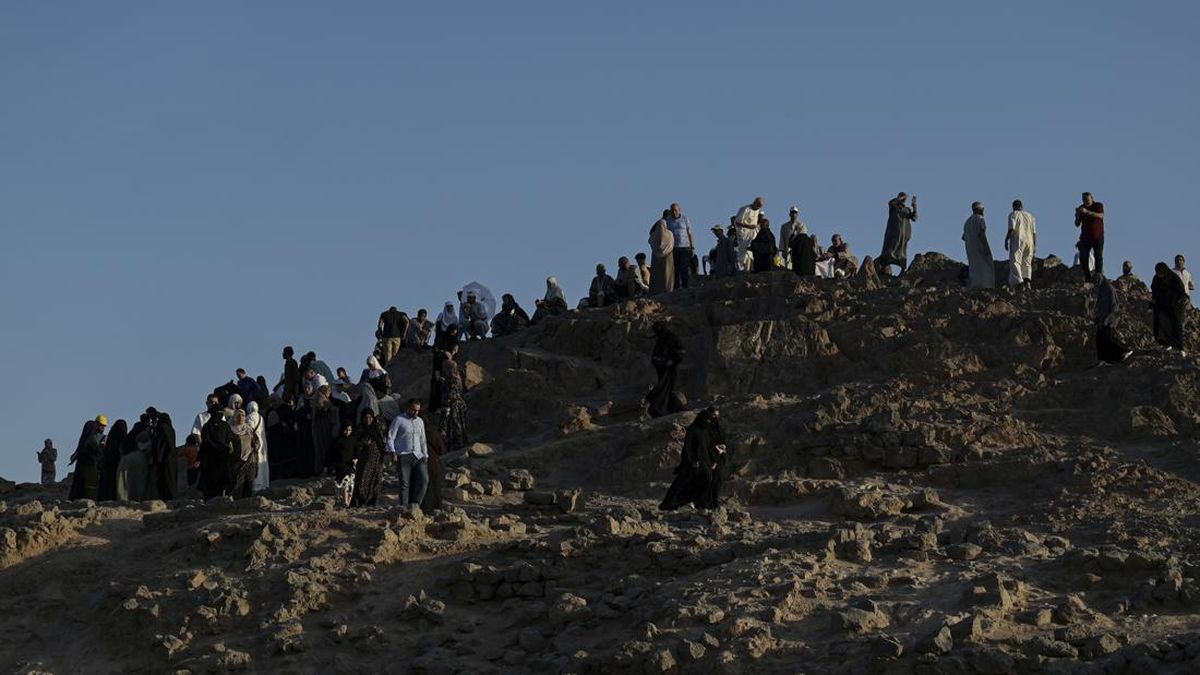
One of the most prominent historical landmarks is Jabal Uhud, often referred to as Mount Uhud. This majestic mountain range, located to the north of Madinah, holds immense significance as the site of the pivotal Battle of Uhud, which occurred in 625 CE (3 AH). The battle was a critical test for the nascent Muslim community, demonstrating both the challenges faced and the unwavering faith of the companions of Prophet Muhammad (peace be upon him).
The foothills of Jabal Uhud are the final resting place for numerous martyrs, known as the ‘Shuhada Uhud,’ who bravely sacrificed their lives defending Islam during the battle. Visiting this site allows pilgrims to reflect on the courage and devotion of these early Muslims. The panoramic views from the mountain also offer a serene backdrop for contemplation and prayer. In Islamic tradition, Jabal Uhud is also recognized as a mountain that will be present in Paradise, adding another layer of spiritual reverence to its status. The strategic importance of the terrain during the battle, coupled with the profound sacrifices made, makes Jabal Uhud a deeply moving destination for pilgrims seeking to connect with the historical struggles and triumphs of early Islam.
Al-Hejaz Railway Museum: A Journey Through Time
For those interested in the intersection of history, engineering, and culture, the Al-Hejaz Railway Museum stands out as a UNESCO World Heritage site and a remarkable repository of Madinah’s past. This museum acts as a temporal gateway, meticulously preserving the history and development of Madinah through its vast collection of over 2,000 artifacts.
The museum’s origins lie in an ambitious historical project: the construction of a railway line connecting Madinah to Istanbul, the capital of the Ottoman Empire. Initiated by Sultan Abdul Hamid II, this ambitious endeavor aimed to facilitate pilgrimage and strengthen imperial ties. Although the project was eventually abandoned, its legacy is now preserved within the museum, showcasing the engineering prowess and historical context of the era. The Al-Hejaz Railway Museum, situated in Al Suqya, Madinah, offers an unparalleled glimpse into the region’s industrial heritage and its evolving role within the broader Ottoman sphere of influence. Visitors can explore remnants of the railway, understand the logistical challenges of its construction, and appreciate the cultural exchange that such projects fostered. The presence of this museum underscores Madinah’s historical importance not only as a spiritual center but also as a hub of historical infrastructure development.
The Prophet’s Mosque (Al-Masjid An-Nabawi): The Heart of Madinah
No visit to Madinah is complete without spending significant time at Al-Masjid An-Nabawi, the Prophet’s Mosque. Founded by Prophet Muhammad (peace be upon him) himself shortly after his migration to Madinah, it is one of the three holiest mosques in Islam, after the Masjid al-Haram in Makkah and Al-Aqsa Mosque in Jerusalem. The mosque has undergone numerous expansions and renovations throughout Islamic history, reflecting its enduring significance and the continuous reverence it commands.
Within the precincts of the Prophet’s Mosque lies Rawdah Sharif, the area between the Prophet’s tomb and his minbar (pulpit). This sacred space is believed to be a garden from the gardens of Paradise, and prayers offered here are considered exceptionally blessed. The Prophet’s Mosque is not merely a place of worship; it is a vibrant center of Islamic learning and community life, having served as a focal point for disseminating knowledge and fostering unity since its inception. The architecture itself tells a story, with elements from different historical periods coexisting, each layer adding to the mosque’s rich narrative. For pilgrims, spending time in prayer, reflection, and supplication at Al-Masjid An-Nabawi is an integral part of their spiritual journey, offering a profound connection to the life and teachings of Prophet Muhammad (peace be upon him).
Quba Mosque: The First Mosque of Islam
Another site of immense historical and spiritual importance is the Quba Mosque, located on the outskirts of Madinah. This mosque holds the distinction of being the very first mosque built in the history of Islam. According to historical accounts, it was constructed by the Prophet Muhammad (peace be upon him) and his companions upon their arrival in Madinah during the Hijrah (migration).
The Quran mentions the Quba Mosque in Surah At-Tawbah (9:108), highlighting its spiritual merit and the virtues of those who pray there. The Prophet Muhammad (peace be upon him) himself is reported to have visited and prayed at Quba Mosque regularly, often on Saturdays, encouraging his followers to do the same. The mosque has been rebuilt and expanded over centuries, preserving its original sanctity while accommodating the growing number of worshippers. Visiting Quba Mosque offers pilgrims a tangible link to the foundational moments of Islam and an opportunity to participate in a tradition that has continued for over 14 centuries. The act of praying at Quba is considered highly rewarding, reinforcing the spiritual essence of the pilgrimage.
The Seven Mosques (Al-Sab’u Masajid): A Cluster of Sacred Sites
The area known as the Seven Mosques, or Al-Sab’u Masajid, comprises a cluster of historical mosques located near the base of Jabal Uhud. These mosques are believed to have been built to commemorate the sites where prominent companions of the Prophet (peace be upon him) performed prayers during the Battle of the Trench (Ghazwat al-Khandaq) in 627 CE (5 AH). While historically there were more, the commonly visited sites today are usually six, though the name "Seven Mosques" persists.
These mosques, though modest in size, are imbued with historical significance, representing the strategic positions held by the Muslim forces during a crucial defensive battle. Each mosque is associated with a particular companion, such as Salman Al-Farsi, Ali ibn Abi Talib, and Sa’d ibn Mu’adh. Exploring these sites provides insight into the tactical planning and spiritual fortitude displayed by the early Muslims during a time of great peril. The proximity of these mosques allows pilgrims to trace the historical narrative of the Battle of the Trench and reflect on the faith and determination of those who defended Madinah.
Jannatul Baqi: The Sacred Graveyard
Adjacent to the Prophet’s Mosque lies Jannatul Baqi, the principal graveyard of Madinah. This sacred cemetery is the final resting place for many of Prophet Muhammad’s (peace be upon him) family members, including his daughters Fatimah and Ruqayyah, his grandsons Hassan and Hussein, and his wives (the Mothers of the Believers). It also contains the graves of numerous companions and early Islamic figures.
Visiting Jannatul Baqi offers a solemn opportunity for pilgrims to pay their respects to the Ahl al-Bayt (the Prophet’s household) and the revered figures of early Islam. It is a place for quiet contemplation, remembrance, and supplication for the departed. The presence of these esteemed individuals in this burial ground underscores Madinah’s central role in Islamic history and its profound spiritual connection to the Prophet’s lineage and his closest associates. While access to the specific graves is restricted, the general area is accessible for respectful visitation and reflection.
Historical Context and Broader Implications
The Hajj pilgrimage, a cornerstone of Islam, draws millions of Muslims from across the globe to Saudi Arabia annually. The 2026 Hajj season, with its planned departure dates in late April, signifies a continuation of this profound spiritual tradition. While the focus remains on the spiritual obligations in Makkah, the extended stay in Madinah offers a valuable opportunity for pilgrims to deepen their understanding of Islam’s historical roots.
The Saudi government’s emphasis on preserving and showcasing these historical sites aligns with its broader Vision 2030 goals, which aim to diversify the Saudi economy and promote tourism, including religious and cultural tourism. By highlighting these historical locations, Saudi Arabia seeks to enrich the visitor experience beyond the spiritual aspects of pilgrimage, offering a more comprehensive cultural and historical engagement with the Kingdom.
The allowance for post-Hajj exploration of historical sites in Madinah can be seen as an effort to manage the flow of pilgrims, encouraging them to utilize their time constructively after fulfilling their primary religious duties. This approach not only benefits the pilgrims by offering a more holistic experience but also contributes to the local economy and promotes a greater appreciation for Islamic heritage among a global audience.
The historical narratives embedded within these sites—from the sacrifices at Uhud to the foundational construction of Quba Mosque—provide tangible connections to the early struggles, triumphs, and enduring values of Islam. For pilgrims, these explorations can transform their journey from a purely spiritual observance into an immersive historical and educational experience, reinforcing their faith and deepening their connection to the rich tapestry of Islamic civilization. As the number of pilgrims continues to grow, the thoughtful curation and presentation of these historical treasures will be increasingly vital in ensuring a meaningful and educational experience for all who undertake the sacred journey to the Holy Land.