
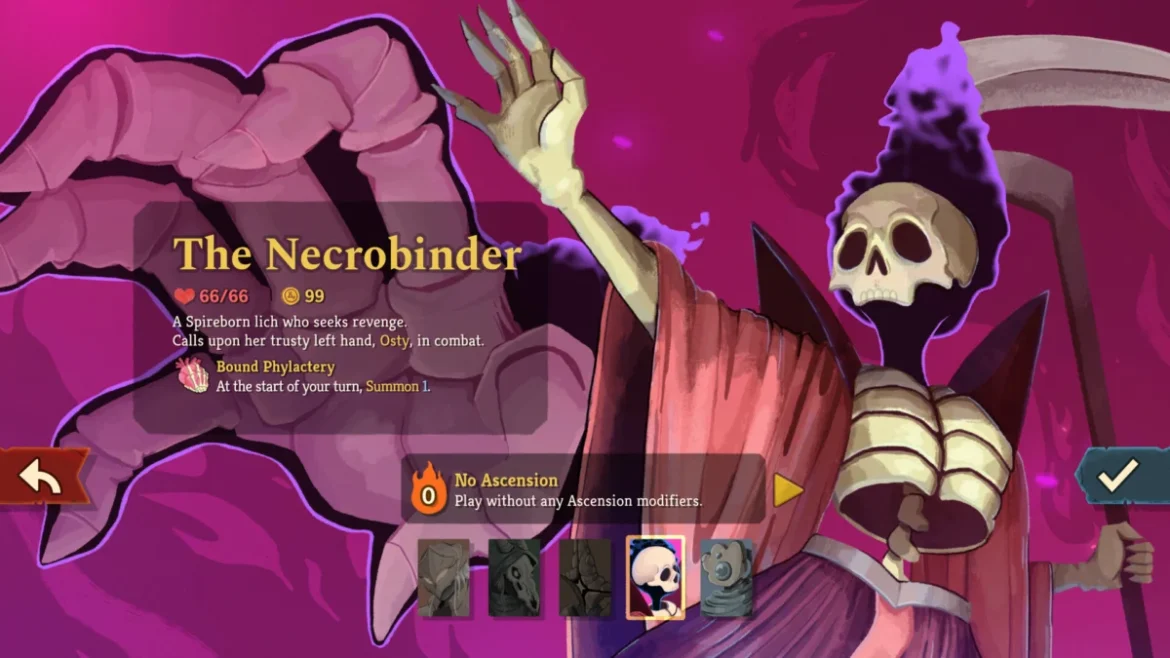
Mega Crit, the acclaimed independent developer behind the seminal roguelike deck-builder Slay the Spire, has recently released an extensive roadmap for its highly anticipated sequel, Slay the Spire 2. Notably, this detailed outline of future content and development goals conspicuously lacks any definitive release dates, a deliberate choice by the studio to underscore its unwavering commitment to quality over adhering to arbitrary deadlines. This decision, communicated via the developer’s April 2026 Steam newsletter, reflects a deeply ingrained studio culture that prioritizes organic development and iterative refinement, contrasting sharply with prevailing industry pressures for rapid releases.
The Unconventional Roadmap Unveiling
The roadmap presented to the public is robust, promising a significant expansion of the Slay the Spire universe and its intricate gameplay mechanics. Key content additions include two alternate acts, designed to introduce new narrative pathways and gameplay challenges, alongside a brand-new character that will undoubtedly offer fresh strategic possibilities and deck archetypes. Beyond these major structural elements, players can anticipate a steady stream of new cards, events, relics, and potions, all crucial components that define the genre’s immense replayability and strategic depth.
In addition to core gameplay content, Mega Crit is also focusing on enhancing the player experience through a suite of technical and quality-of-life features. The integration of Steam Workshop support stands out, signaling a strong intention to foster a vibrant modding community, an element that has historically extended the longevity and appeal of many successful indie titles. Other planned features include a comprehensive Bestiary, allowing players to delve deeper into enemy mechanics and strategies, as well as experimental modes for those seeking novel gameplay twists. Furthermore, the studio is committed to expanding its global reach through additional language support, ensuring a broader audience can engage with the game.
Looking further ahead, Mega Crit’s long-term vision for Slay the Spire 2 encompasses multi-platform porting, which will allow the game to reach a wider player base beyond its initial PC launch. Steam achievement integration is also on the docket, providing players with additional goals and challenges. Perhaps most intriguing is the mention of a "true victory" endgame content, hinting at a heightened challenge or narrative culmination that will reward the most dedicated players and offer a definitive conclusion to their spire-climbing journeys.

Mega Crit’s Philosophy: A Stance Against "Sloppy Spire 2"
The most striking aspect of this roadmap, however, is not what it contains, but what it deliberately omits: specific release dates. Mega Crit has been unequivocal in its reasoning, stating plainly that as a small team, they prefer a flexible and organic development process. This approach allows them to iterate, refine, and polish without the restrictive constraints often imposed by strict deadlines. The developers did not shy away from critiquing industry norms, openly "poking fun at the practice of tight deadlines that can result in a ‘half-baked’ product." Their firm stance is encapsulated in their commitment to avoid delivering a "Sloppy Spire 2," instead vowing to present only the absolute best version of their game.
This philosophy is a direct response to the prevalent "crunch" culture within the video game industry, where developers often work excessive hours under immense pressure to meet aggressive deadlines, frequently leading to rushed releases, numerous bugs, and developer burnout. Mega Crit’s public declaration is a bold statement, advocating for a more sustainable and quality-driven development model. It implies a belief that a well-crafted, meticulously polished game will ultimately resonate more deeply with players and secure long-term success, even if it takes longer to arrive. This patient approach positions them as proponents of thoughtful game design over market velocity.
The Precedent of Success: Slay the Spire’s Enduring Legacy
Mega Crit’s ability to adopt such an unconventional, no-deadline strategy is largely predicated on the monumental success of its predecessor, Slay the Spire. Launched in Early Access in 2017 and fully released in 2019, the original game quickly became a phenomenon, selling over 5.3 million copies on Steam alone. This commercial triumph provided the studio with the financial stability and creative autonomy necessary to chart its own course for the sequel.
Slay the Spire redefined the roguelike deck-builder genre, blending the strategic depth of card games with the high replayability of roguelikes. Its innovative combat system, diverse character classes, and endless combinations of cards, relics, and potions created an addictive loop that kept players engaged for hundreds, if not thousands, of hours. The game’s consistent balance updates, continuous community engagement, and eventual porting to multiple platforms further cemented its status as a benchmark title. This established legacy means that Slay the Spire 2 arrives with a significant built-in audience eager for more, an audience that has demonstrated a willingness to wait for quality. This historical context provides Mega Crit with the leverage to prioritize development integrity over market pressure.

Industry Context: The Rise of Indie Success and Player Patience
Mega Crit’s development philosophy for Slay the Spire 2 is not entirely unique, but it represents a growing trend among successful independent studios that have cultivated dedicated fan bases. Titles like Stardew Valley, which has seen continuous, free updates years after its initial release, often developed at the creator’s own pace, exemplify this model. Players for such games often express immense patience, valuing the developer’s commitment to delivering a complete and polished experience. Similarly, the long-awaited Hollow Knight: Silksong has generated significant anticipation precisely because its developers are taking their time, reassuring fans that quality is paramount.
This phenomenon highlights a subtle but significant shift in player expectations for certain genres and developers. While the AAA market often demands annual iterations and rapid content drops, the indie space allows for a more artisanal approach. Players, particularly those invested in complex, replayable games, are increasingly willing to endure longer waits if it means receiving a superior product. This dynamic creates a virtuous cycle: a high-quality initial release builds trust, which in turn grants the developer more freedom and patience from their community for future projects. This stands in stark contrast to the frequent backlash faced by games that are perceived as unfinished or rushed upon release.
A Deep Dive into Roadmap Content: What Players Can Anticipate
The announced content for Slay the Spire 2 promises to build upon the foundational strengths of its predecessor while introducing fresh elements.
- Alternate Acts: The inclusion of two alternate acts is a significant enhancement to replayability. In the original Slay the Spire, the journey through three distinct acts was a core part of each run. By introducing alternate acts, Mega Crit can dramatically diversify the gameplay experience, offering different sets of enemies, events, and bosses, thus ensuring that each run feels even more unique and strategically demanding. This could extend the game’s lifespan considerably and cater to players seeking varied challenges.
- New Character: A new character is perhaps the most impactful content addition, as each character in Slay the Spire fundamentally alters how the game is played. A new character implies a completely new set of starting relics, a unique card pool, and distinct core mechanics, forcing players to learn new strategies and adapt their playstyles. This not only adds variety but also deepens the overall strategic landscape of the game.
- Additional Cards, Events, Relics, and Potions: These are the bread and butter of a deck-building roguelike. A continuous stream of new items ensures that the meta-game remains fresh and evolving. New cards introduce new synergies and build paths, events add narrative flavor and difficult choices, relics provide powerful passive abilities that can define a run, and potions offer tactical utility. Their gradual introduction will allow Mega Crit to carefully balance the game and prevent power creep.
- Steam Workshop Support: This feature is a game-changer for community engagement. Modding communities have extended the life of countless PC games, and Slay the Spire already has a robust modding scene despite lacking official workshop support. Implementing it for Slay the Spire 2 will significantly lower the barrier to entry for modders, allowing players to easily access custom characters, cards, relics, and even entirely new game modes. This fosters creativity within the player base and provides an almost infinite source of user-generated content, further enhancing longevity.
- Bestiary: While seemingly minor, a Bestiary is a valuable quality-of-life improvement. For a game as strategically deep as Slay the Spire, understanding enemy attack patterns, debuffs, and special abilities is crucial. A dedicated Bestiary allows players to study and plan their strategies more effectively, especially against new or challenging foes, reducing the friction of trial-and-error and empowering more informed decision-making.
- Experimental Modes: These modes offer a sandbox for Mega Crit to test new ideas and gauge player interest without committing them to the main game. They can provide unique twists on the core gameplay, catering to players who have mastered the standard experience and are looking for novel challenges or just a different way to play.
- Multi-Platform Ports: While a PC launch is typical for such titles, expanding to consoles (Nintendo Switch, PlayStation, Xbox) and potentially mobile platforms significantly broadens the potential audience. This strategy, successfully employed by the first Slay the Spire, ensures the game’s accessibility to a wider demographic of players who prefer different gaming environments.
- Steam Achievements: A standard feature for PC games, achievements provide optional goals and a sense of progression for players who enjoy completing specific challenges or mastering all aspects of a game.
- "True Victory" Endgame Content: This suggests a layer of challenge beyond simply defeating the final boss. It could involve a secret boss, a more difficult ascension level, or a unique narrative conclusion that requires specific conditions or an exceptionally powerful build to achieve. This caters to the most dedicated players, providing an ultimate long-term goal and increasing the perceived value of mastering the game.
Technical Foundations and Long-Term Vision
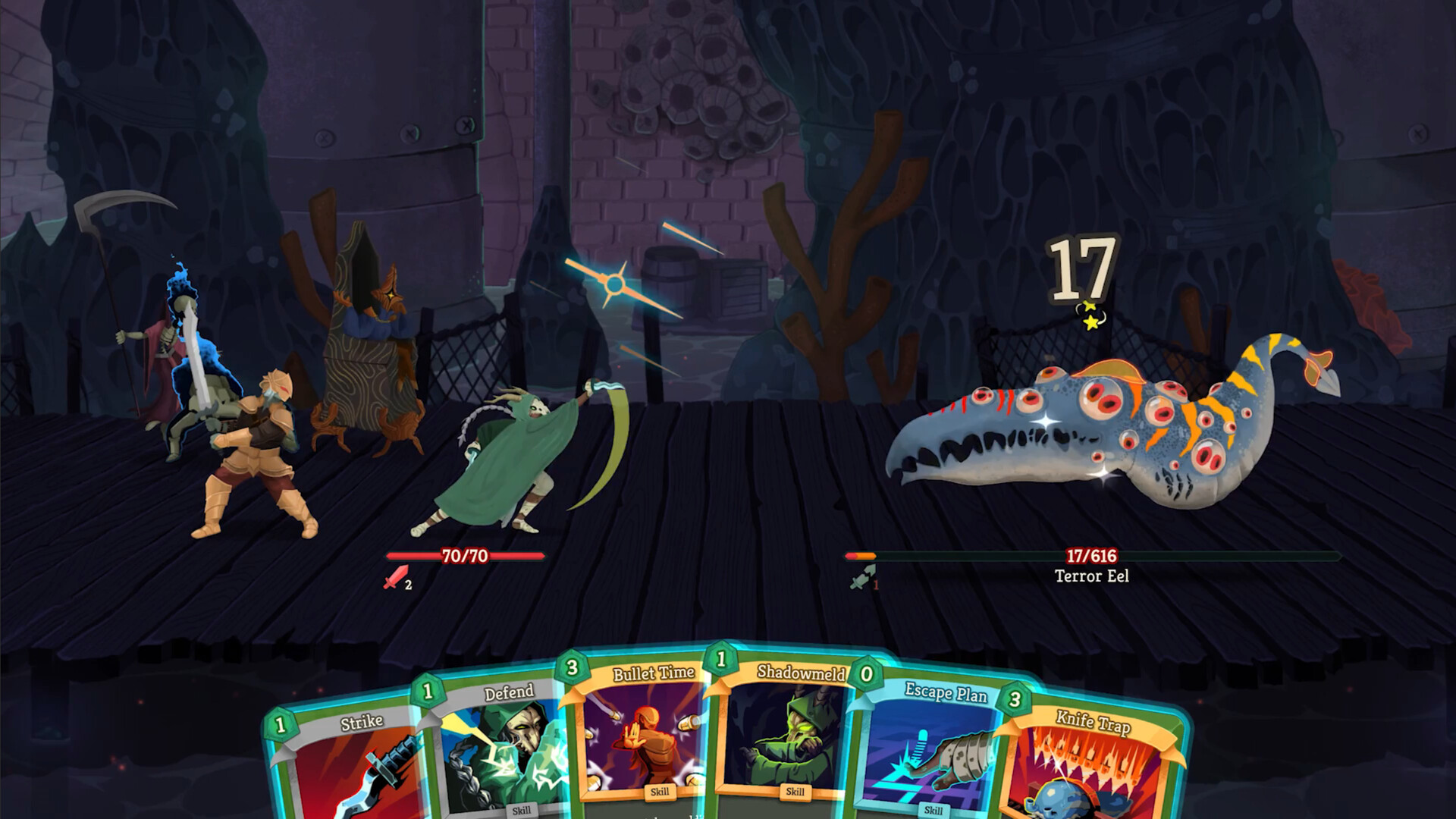
Beyond content, Mega Crit’s roadmap emphasizes continuous technical refinement. Ongoing bug fixes, performance improvements, careful balancing of new and existing mechanics, and polishing of audio and visual elements are all critical for a smooth and enjoyable player experience. A robust technical foundation is paramount for supporting future content additions and ensuring the game’s stability across various systems. The studio’s commitment to these behind-the-scenes aspects reinforces their dedication to a high-quality product from the ground up. The strategic move towards multi-platform expansion in the long term also indicates a mature understanding of market reach and sustained growth.
Implications for the Gaming Community and Industry
Mega Crit’s approach to Slay the Spire 2 carries significant implications for both its dedicated player community and the broader video game industry.
- Player Perspective: For the Slay the Spire fan base, the roadmap likely elicits a mixed but predominantly positive reaction. There will be undeniable excitement for the sheer volume and quality of promised content. The explicit commitment to avoiding a "Sloppy Spire 2" will resonate deeply with players who have grown weary of buggy, incomplete releases. While some may express impatience over the lack of release dates, the trust built by the original game’s quality and Mega Crit’s transparent communication will likely foster a significant degree of patience and loyalty. This builds a unique relationship between developer and player, where quality is implicitly understood as the highest priority.
- Developer Perspective: For other developers, especially smaller indie studios, Mega Crit’s model offers an inspiring, albeit challenging, blueprint. It demonstrates that financial success from a prior title can grant the freedom to prioritize creative integrity and employee well-being over strict market timelines. However, it also highlights the inherent risks: managing community expectations without firm dates requires exceptional communication and a proven track record. This model may not be feasible for studios without substantial upfront capital or a previous runaway success. It’s a testament to the power of building a beloved IP.
- Industry Trends: In an industry increasingly dominated by live-service games and annual franchises, Mega Crit’s stance acts as a potent counter-narrative. It champions the idea that slow, deliberate development focused on crafting an exceptional product can yield greater long-term dividends than rushing to market. This could subtly influence industry discourse, encouraging more studios to reconsider the sustainability and ultimate benefit of aggressive deadlines. The growing demand for quality over quantity from savvy consumers also empowers developers to push back against publisher pressures for faster release cycles.
Chronology of Slay the Spire’s Development (Inferred and Reported)
To contextualize this roadmap, a brief chronology highlights Mega Crit’s journey:
- 2017: Slay the Spire is launched into Early Access, quickly gaining traction and critical acclaim for its innovative blend of roguelike and deck-building mechanics.
- 2019: Slay the Spire officially leaves Early Access and sees its full release, cementing its status as a genre-defining title and achieving significant commercial success, eventually selling over 5.3 million copies on Steam.
- 2019 – Present: Mega Crit continues to support the original game with updates, balance patches, and ports to various platforms, maintaining a positive relationship with its player base.
- Prior to April 2026: Slay the Spire 2 is announced, building immense anticipation among fans.
- April 2026 (as per newsletter): Mega Crit releases the detailed roadmap for Slay the Spire 2, clearly outlining planned content and features but notably omitting specific release dates, emphasizing their commitment to quality and organic development.
- Future: Ongoing development for Slay the Spire 2 continues, with periodic updates to the community, culminating in an eventual, highly polished release.
In conclusion, Mega Crit’s decision to unveil a comprehensive roadmap for Slay the Spire 2 without concrete release dates is a powerful affirmation of its development philosophy. Rooted in the immense success of the original game and a commitment to delivering a polished, high-quality experience, this approach prioritizes creative integrity and player satisfaction over the pressures of conventional market timelines. As the gaming community eagerly awaits further news, the question remains: which content outlined in this ambitious roadmap sparks the most interest and anticipation among the legions of Slay the Spire enthusiasts?
