
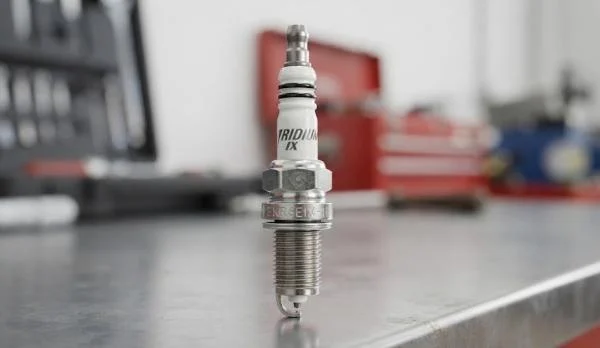
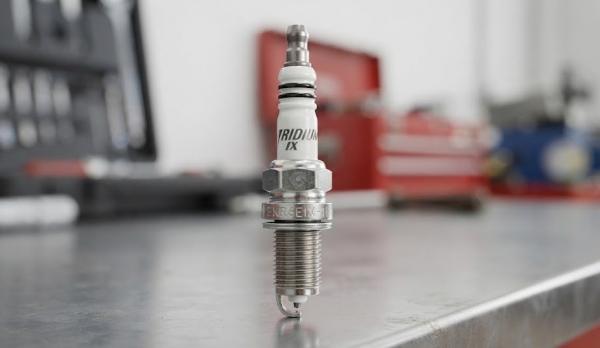
The spark plug remains one of the most critical components in the internal combustion engine, serving as the bridge between electrical energy and mechanical power. While modern automotive engineering has significantly extended the service life of these components through the use of precious metals like iridium and platinum, the question of whether a used spark plug can be safely cleaned and returned to service remains a point of contention among vehicle owners and professional mechanics. While it is technically possible to perform a surface-level cleaning to restore functionality to a fouled plug, industry experts generally caution against this practice, noting that it rarely addresses the degradation of the internal core or the structural erosion of the electrode gap.
The Role of Spark Plugs in Engine Health
At its core, a spark plug is responsible for delivering an electric current to the combustion chamber, which ignites the compressed fuel-air mixture. This process initiates the power stroke that drives the pistons. However, beyond this fundamental task, the spark plug serves as a primary diagnostic tool for the engine’s overall health. Because the plug is subjected to the harsh environment of the combustion chamber, its appearance—specifically the color and texture of the electrode—can signal deeper mechanical issues.
When a technician removes a spark plug, the deposit patterns on the insulator and the ground electrode act as a "black box" recording of the combustion process. For instance, a soot-covered, black, dry deposit often indicates an overly rich fuel mixture, a failing air filter, or excessive idling. Conversely, an oily or wet deposit suggests oil blow-by, potentially caused by worn piston rings or valve seals. By examining these deposits before cleaning or replacing the plug, a vehicle owner can identify problems that a simple cleaning will not resolve. If the underlying cause of the fouling is not addressed, a "cleaned" spark plug will inevitably become fouled again within a short period, potentially causing misfires, reduced fuel economy, and eventual damage to the catalytic converter.
The Mechanics of Cleaning: Limitations and Risks
For those who choose to attempt cleaning a used spark plug, the process is often perceived as a cost-saving measure. The procedure typically involves the use of a wire brush, a solvent such as brake cleaner, and a feeler gauge to reset the electrode gap. The process involves removing the carbon buildup from the insulator, cleaning the ground electrode, and ensuring the gap between the center and ground electrodes meets the manufacturer’s precise specifications.
However, the efficacy of this process is limited by the physical degradation of the plug. Spark plugs are designed to operate under immense heat and pressure. Over time, the spark erodes the metal of the electrode, gradually increasing the gap distance. While a feeler gauge can be used to bend the ground electrode back to the correct gap, the base metal is often permanently compromised. Furthermore, internal resistors within the spark plug can degrade over time, leading to inconsistent electrical resistance. A cleaned spark plug may spark on a test bench, but under the high-pressure environment of a running engine, it may fail to fire reliably. This leads to intermittent misfires, which can cause unburnt fuel to pass into the exhaust system, posing a significant risk to the vehicle’s emission control systems.
Technical Timeline of Spark Plug Evolution
The automotive industry has shifted drastically regarding maintenance intervals. In the mid-20th century, spark plugs were often inspected and cleaned every 5,000 to 10,000 miles as a matter of routine service. The introduction of high-energy ignition systems, advanced fuel injection, and the widespread use of precious metal electrodes changed this landscape.
- Early 1900s to 1970s: Vehicles relied on copper-core spark plugs, which had a relatively short lifespan. Cleaning these plugs was common practice, and many service manuals included specific instructions on how to use sandblasting machines to clean the insulator.
- 1980s to 1990s: The shift toward electronic fuel injection provided more precise combustion control, which extended plug life to the 30,000-mile range.
- 2000s to Present: The adoption of iridium and platinum tips, combined with direct injection technology, has extended service intervals to 100,000 miles for many modern vehicles.
Because modern plugs are engineered for these extended intervals, the materials used to construct them are not designed to be subjected to the abrasive cleaning processes of the past. Using a wire brush on an iridium-tipped plug can strip away the precious metal coating, effectively destroying the plug’s ability to conduct electricity efficiently.

Official Perspectives and Manufacturer Guidelines
Automotive manufacturers and major spark plug producers, such as NGK, Denso, and Bosch, generally advise against cleaning spark plugs. Their official documentation often states that the cleaning process—whether chemical or mechanical—is unlikely to restore the plug to its original operating specifications.
The primary concern cited by these manufacturers is the potential for latent damage. Micro-cracks in the ceramic insulator, which are often invisible to the naked eye, can lead to electrical arcing—a phenomenon where the spark travels down the side of the plug instead of jumping the gap. This results in an engine misfire that can be difficult to diagnose. From a professional perspective, the labor cost involved in correctly cleaning and gapping a set of plugs often outweighs the retail cost of a new set, making replacement the more logical and cost-effective decision for the vast majority of vehicle owners.
Economic and Environmental Implications
Beyond the mechanical considerations, there is an environmental argument to be made regarding the waste generated by discarded spark plugs. However, the trade-off is the fuel inefficiency caused by failing spark plugs. An engine that misfires due to a compromised spark plug consumes significantly more fuel and emits higher levels of pollutants, including unburnt hydrocarbons and carbon monoxide.
From an economic standpoint, the "do-it-yourself" approach to cleaning plugs may appear to save a small amount of money in the short term. Yet, the long-term risk of damage to the engine’s ignition coil packs—which are significantly more expensive to replace than spark plugs—makes the practice financially risky. If a plug fails due to old age, the ignition coil must work harder to force a spark, eventually causing the coil to overheat and fail. This "domino effect" is a common scenario in modern vehicle maintenance, where a failure to replace a $10 part leads to a $300 repair bill for an ignition coil.

Analytical Summary: Best Practices
For vehicle owners looking to maintain their vehicles effectively, the following summary provides a roadmap based on current automotive standards:
- Routine Inspection: It is highly recommended to remove and inspect spark plugs during major service intervals to check for signs of engine trouble (e.g., oil consumption, lean/rich running).
- Replacement vs. Cleaning: If the spark plugs have reached their designated service interval, replace them. If they have not reached that interval but are fouled, investigate and resolve the root cause of the fouling (such as fuel system issues or ignition problems) rather than attempting to "save" the plug.
- Gap Measurement: Always use a proper feeler gauge when installing new plugs. While modern pre-gapped plugs are common, verifying the gap is a best practice that ensures optimal engine performance.
- Tooling: Use the correct socket size and a torque wrench during installation. Over-tightening or under-tightening a spark plug can lead to catastrophic engine damage, including stripped threads in the cylinder head or poor heat dissipation.
Conclusion
While the technical ability to clean a used spark plug exists, it is a practice relegated to an era of lower-performance engines and shorter maintenance cycles. In the context of modern, high-compression, and electronically controlled engines, the spark plug is a high-precision instrument. Attempting to clean it is rarely worth the risk of reduced performance, decreased fuel efficiency, or damage to more expensive engine components. Professional mechanics universally agree that when it comes to ignition systems, the best strategy is proactive replacement according to the manufacturer’s recommended service schedule. By adhering to these guidelines, owners ensure their engines operate at peak efficiency, maintaining both the performance and the longevity of their vehicles.
