
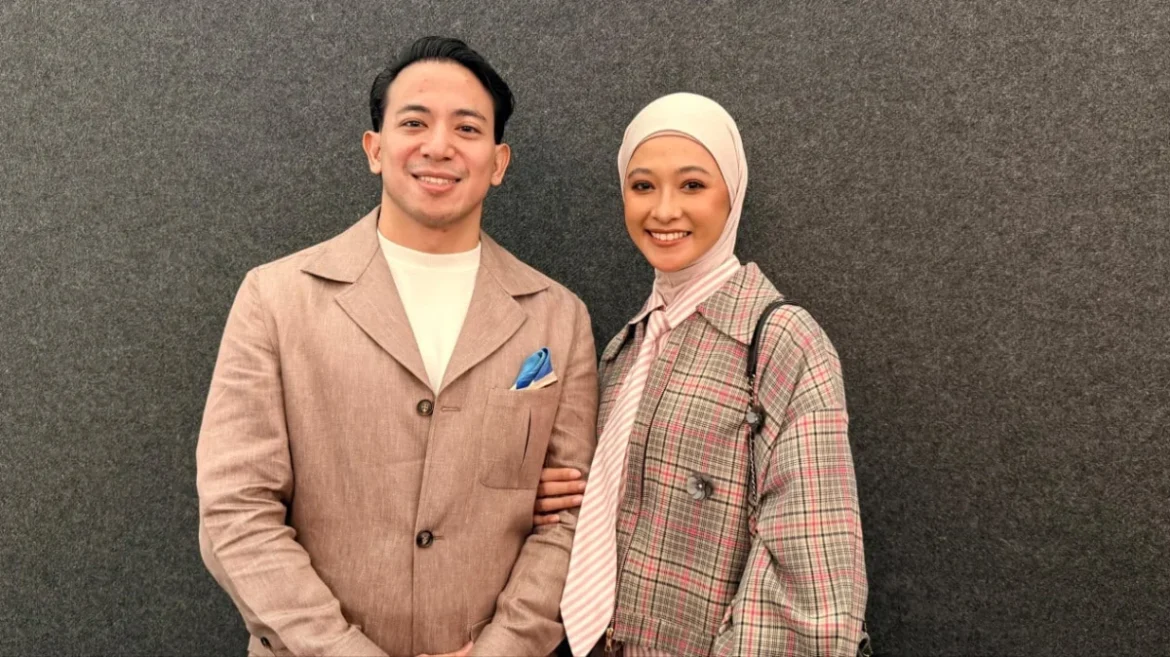
The landscape of professional modeling in Indonesia has undergone a significant paradigm shift over the past decade, moving away from rigid, exclusionary standards of physical beauty toward a more holistic approach focused on character development and self-assurance. Poppy Bunga, the renowned actress and model who has successfully expanded her modeling education enterprise into a network of dozens of branches nationwide, recently provided insight into the fundamental mission driving her curriculum. For Bunga, the objective of modern modeling education transcends the traditional technical skills of runway walking or posing for the camera; instead, it serves as a therapeutic and developmental platform designed to dismantle the pervasive issue of insecurity among the youth.
Shifting the Narrative on Beauty Standards
Historically, the modeling industry was synonymous with stringent criteria—specifically regarding height, body mass index, and skin tone. However, the current evolution of modeling schools, particularly those led by industry figures like Bunga, reflects a broader societal movement toward inclusivity. During a recent event in Jakarta on September 21, 2026, Bunga emphasized that physical attributes are relegated to the bottom of the priority list within her programs.
"Physical appearance is the last consideration. The primary focus is the individual," Bunga stated. She underscored that the core mission of her institutions is to facilitate personal growth, effective communication, and, most importantly, the cultivation of self-esteem. By rejecting the classification of beauty based on superficial metrics, the curriculum encourages students to embrace their unique physiological characteristics. This approach acknowledges that in an era dominated by digital media and unrealistic beauty standards, the ability to recognize one’s own innate value is a critical developmental skill for adolescents.
Addressing the Epidemic of Insecurity
Data from various child psychology studies and social development reports suggest that adolescent insecurity is a growing concern in Southeast Asia, exacerbated by the rise of social media platforms that emphasize image curation. Bunga’s observation that a significant majority of her students are enrolled by parents specifically to combat deep-seated insecurity aligns with these broader societal trends.
"Many parents bring their children to us precisely because they recognize their children are struggling with feelings of inadequacy," Bunga noted. The decision to enroll in a modeling class is often a proactive measure taken by parents who notice their children withdrawing from social interactions, suffering from social anxiety, or displaying a lack of assertiveness in school environments.
The transition from a shy, self-conscious child to a confident individual does not occur overnight. It is the result of a structured pedagogical approach that integrates public speaking, posture correction, and performance art. By providing a safe environment for students to be observed and evaluated in a constructive manner, these schools allow children to desensitize themselves to the judgment of others, thereby fostering a resilient sense of self.
The Methodology of Confidence Building
The success of these programs is rooted in consistent exposure to public performance. Whether through local fashion showcases or in-class exercises, the curriculum emphasizes the practical application of social skills. This process mirrors clinical methods used in cognitive behavioral therapy, where individuals are exposed to their fears—in this case, being the center of attention—in a controlled and supportive environment.
By standardizing these training methods across dozens of branches, Bunga’s organization has created a scalable model for social development. The training is not merely about walking a runway; it is about learning how to project presence, speak with clarity, and maintain composure under pressure. These are universal soft skills that are highly transferable to academic and professional settings later in life.
The Evolution of the Modeling Industry in Indonesia
To understand the current state of modeling education, one must look at the timeline of the industry’s maturation in Indonesia. In the early 2000s, modeling schools were often exclusive, catering to those already possessing "ideal" features. By the 2010s, the emergence of a more diverse fashion market and the influence of global movements, such as body positivity, forced the industry to adapt.
By the mid-2020s, the commercialization of "modeling education" as a form of self-development became a distinct market segment. The industry transitioned from a pipeline for high-fashion runway models to a broader educational service provider. This shift has democratized access to the industry, allowing children from various socio-economic backgrounds to participate in programs that prioritize personal development over the pursuit of a modeling career.
Supporting Data and Industry Analysis
While specific enrollment figures for modeling schools across Indonesia are not centrally tracked, industry analysts suggest that the demand for "soft-skill" extracurriculars has increased by approximately 15% annually since 2020. This growth is linked to a heightened awareness among parents regarding the long-term impacts of bullying and low self-esteem on educational outcomes.
Furthermore, economic analysts point out that the growth of these schools into multi-branch chains indicates a sustainable business model that relies on long-term student retention. Unlike traditional modeling agencies that function as talent scouts, these educational institutions function as service providers, creating a stable economic loop that benefits both the stakeholders and the communities they serve.
Professional Implications and Future Outlook
The broader impact of such programs extends beyond the individual student. When a generation of youth is equipped with the tools to communicate effectively and maintain high self-worth, the collective social fabric is strengthened. Schools that emphasize these traits are effectively contributing to the development of a more assertive and confident future workforce.
However, critics of the commercialization of self-esteem warn that such programs must remain ethically grounded. There is a fine line between providing a constructive environment and inadvertently reinforcing a dependency on external validation. Bunga’s focus on "discovering uniqueness" rather than "achieving a look" is a critical distinction that keeps the program aligned with healthy developmental psychology.
As the industry continues to evolve, the expectation is that modeling education will increasingly integrate with standard educational curricula or school-based extracurricular programs. The focus on public speaking, poise, and emotional regulation—skills that were once considered the exclusive domain of the fashion world—are now being recognized as essential life skills in the 21st-century economy.
Conclusion: A Legacy of Empowerment
Poppy Bunga’s insights shed light on the intersection of fashion and developmental psychology. By transforming the traditional modeling school into a sanctuary for self-discovery, she and her peers are addressing a critical gap in the upbringing of modern youth. The shift from "modeling as a career" to "modeling as a tool for life" represents a necessary and positive evolution.
As these students progress through their training and eventually graduate, the tangible changes in their behavior—from hesitant to assertive, from introverted to expressive—serve as the true metric of success for these institutions. For Bunga, the expansion of her schools is not merely a business achievement, but a commitment to ensuring that every child, regardless of their starting point, has the opportunity to walk through life with the confidence that they deserve to be seen and heard.
Ultimately, the transformation observed in these students provides a compelling argument for the role of specialized, performance-based extracurricular activities in shaping a more resilient and confident generation. Whether these students pursue professional modeling in the future is secondary; the primary victory lies in their ability to step onto the "runway of life" with their heads held high, unburdened by the insecurities that once held them back.
