
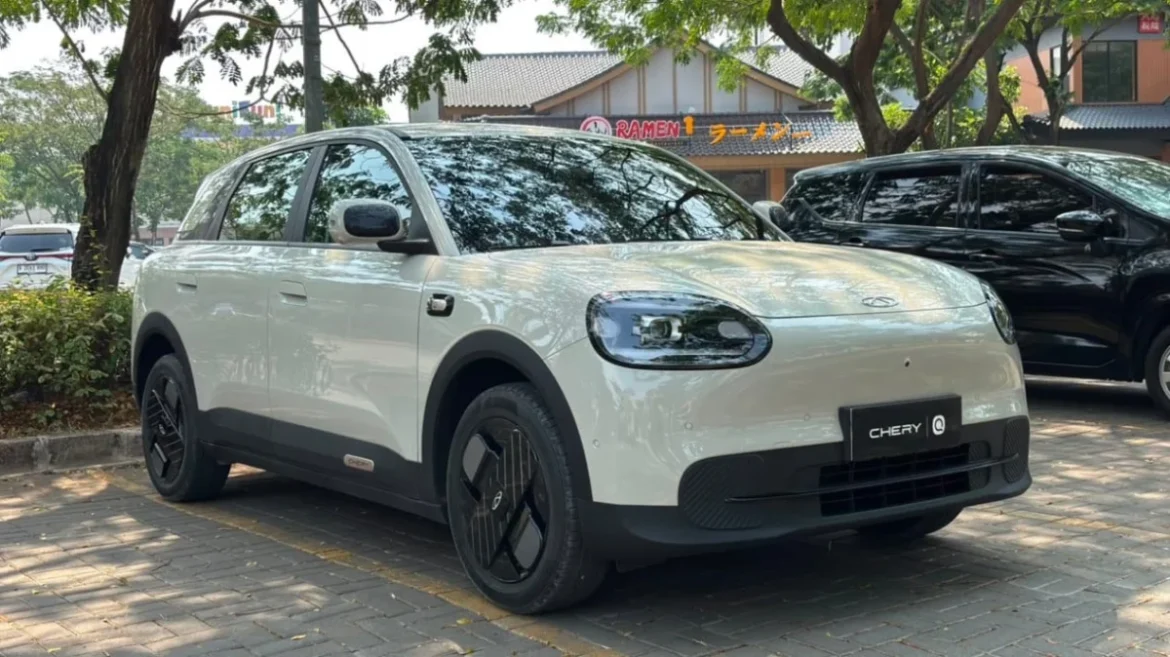
Jakarta, Indonesia – July 18, 2026 – Indonesia’s electric vehicle (EV) landscape is experiencing a period of accelerated growth, with global automakers increasingly vying for market share by introducing competitively priced electric cars. By mid-2026, EVs have transitioned from niche alternatives to a significant driver of the national automotive industry’s expansion, marked by a continuous rise in sales contributions. Amidst this dynamic environment, Chery is poised to introduce a new contender, the Chery Q, which has garnered considerable attention in anticipation of its official launch in the Indonesian market.
A recent exclusive test drive opportunity provided by VIVA Otomotif at Grand Kota Bintang Bekasi offered an early glimpse into the Chery Q’s potential. The compact, modern design of this environmentally friendly vehicle immediately stands out. Initial impressions from a brief test drive reveal a vehicle that delivers a positive driving experience, highlighted by its rear-wheel-drive (RWD) configuration, a remarkably quiet cabin, and a comprehensive suite of features.
The immediate sensation upon pressing the accelerator is the smooth yet responsive power delivery characteristic of electric motors. The instant torque allows for seamless acceleration without any discernible lag, a signature advantage of electric powertrains. However, what distinguishes the Chery Q in its segment, particularly among urban EVs, is its adoption of a Rear Wheel Drive (RWD) system, a configuration that remains relatively uncommon in its class.
This RWD setup contributes to a more balanced weight distribution, especially noticeable during cornering and U-turns. This enhanced balance instills a greater sense of confidence in the driver, positioning the Chery Q’s driving dynamics as a key differentiator against its competitors, many of which primarily utilize front-wheel-drive (FWD) systems.
The driving experience on urban roads is further enhanced by the Electric Power Steering (EPS) system. Tuned for lightness at lower speeds, it significantly eases maneuverability in tight city streets and simplifies parking. As the vehicle’s speed increases, the steering weight progressively increases, ensuring stability and control at higher velocities.
Interior and Infotainment: A Futuristic Command Center
The interior of the Chery Q immediately evokes a futuristic ambiance, primarily driven by a substantial 15.6-inch touchscreen display that serves as the central command hub for various vehicle functions. This intuitive interface is expected to manage climate control, navigation, media playback, and vehicle settings, aiming to provide a seamless and connected user experience. While specific details regarding the infotainment system’s operating software and available connected services are yet to be fully disclosed, the large, high-resolution display suggests a modern and user-friendly approach to in-car technology.
The cabin design appears to prioritize a minimalist aesthetic, with a focus on functionality and premium materials, though the full range of interior trim options and upholstery choices will likely be revealed closer to the official launch. The compact exterior dimensions hint at a thoughtfully designed interior space, aiming to maximize passenger comfort and utility within its footprint.
Powertrain and Performance: Efficiency Meets Driving Pleasure
While detailed specifications for the Indonesian market version of the Chery Q are still under wraps, international variants often feature a compact electric motor delivering ample power for city driving and highway cruising. The RWD configuration, combined with the inherent efficiency of electric powertrains, suggests a vehicle optimized for both performance and range.
The responsive acceleration, a hallmark of EVs, is expected to be a key selling point for the Chery Q, offering drivers an engaging and spirited driving experience. The quiet operation of the electric motor also contributes to a more refined and relaxed cabin environment, reducing driver fatigue and enhancing passenger comfort.
The RWD system, beyond its benefits in handling and balance, can also contribute to a more engaging driving feel, often associated with sportier vehicles. This suggests that Chery is aiming to appeal not only to environmentally conscious buyers but also to those who appreciate a more dynamic driving experience.
Market Context: Indonesia’s Evolving EV Landscape
Indonesia has set ambitious targets for EV adoption, driven by government incentives and a growing public awareness of environmental issues. The national target aims to see a significant portion of new vehicle sales being electric by the end of the decade. This policy environment, coupled with the decreasing cost of battery technology and increasing model availability, has created fertile ground for EV manufacturers.
Several factors are contributing to the rapid growth:
- Government Support: Incentives such as tax breaks, import duty reductions, and subsidies for EV purchases and charging infrastructure development are crucial in making EVs more accessible to a wider consumer base. The Indonesian government has been actively promoting local manufacturing and assembly of EVs and their components.
- Growing Consumer Interest: A rising middle class, increasing environmental consciousness, and the allure of advanced technology are fueling consumer demand for EVs. The perception of EVs as a status symbol and a forward-thinking choice is also gaining traction.
- Competitive Pricing: The entry of new players and the increased competition among established brands are driving down prices, making EVs more affordable. This is particularly important in a price-sensitive market like Indonesia.
- Infrastructure Development: While still in its nascent stages, the development of charging infrastructure, including public charging stations and home charging solutions, is gradually improving, addressing one of the key concerns for potential EV buyers.
The Chery Q enters this competitive arena as a potential disruptor, particularly with its RWD offering. While established brands like Wuling and Hyundai have already made significant inroads with their affordable EV models, Chery’s strategy of differentiating with a unique drivetrain configuration could appeal to a specific segment of the market.
Anticipated Impact and Broader Implications
The introduction of the Chery Q, and indeed more affordable EVs like it, has several potential implications for the Indonesian automotive sector and the broader economy:
- Accelerated EV Adoption: Increased model variety and competitive pricing are likely to accelerate the adoption rate of EVs, helping Indonesia meet its environmental targets and reduce reliance on fossil fuels.
- Job Creation and Economic Growth: The growth of the EV industry, including manufacturing, assembly, sales, and after-sales services, can lead to significant job creation and contribute to economic diversification. Local production of EV components is a key focus for the government.
- Technological Advancement: The influx of new EV technologies can spur innovation within the local automotive industry, encouraging the development of related technologies and skill sets.
- Environmental Benefits: A wider adoption of EVs will directly contribute to reducing air pollution in urban centers and lowering greenhouse gas emissions, aligning with Indonesia’s climate commitments.
Looking Ahead: The Road to Official Launch
The test drive experience of the Chery Q suggests a vehicle that is well-equipped to compete in Indonesia’s burgeoning EV market. Its blend of modern design, responsive performance, and a unique RWD system positions it as an intriguing option for consumers. As the official launch date approaches, further details regarding pricing, comprehensive specifications, available trims, and the charging infrastructure support that Chery will offer will be eagerly awaited.
The Indonesian automotive market is at a pivotal moment, and the Chery Q’s entry is a testament to the growing confidence of global automakers in the region’s potential. Its success will not only depend on its product attributes but also on Chery’s ability to establish a strong sales and service network, build consumer trust, and effectively communicate the value proposition of its RWD electric offering in a market that is rapidly embracing electrification. The coming months will undoubtedly reveal more about how this new electric contender will shape the future of mobility in Indonesia.
