
Hyundai Motor India is steadily building anticipation for its latest automotive offering, the Hyundai Bayon, tailored specifically for the fast-growing and fiercely competitive Indian sport utility vehicle market. Following an initial wave of exterior teasers that sparked considerable interest among automotive enthusiasts and industry analysts alike, the South Korean automaker has released a new batch of design sketches and official previews focusing exclusively on the interior architecture of the upcoming compact SUV.
The latest disclosures offer a comprehensive look at the cabin layout, revealing a design language that bridges the gap between Hyundai’s conventional global styling and the digital-first preferences of contemporary Indian consumers. Scheduled for a high-profile market debut in late 2026, the Hyundai Bayon is positioned to carve out a distinct niche within the crowded sub-four-meter and compact SUV segments, sitting alongside established sibling models while appealing to a younger, tech-savvy demographic.
Cabin Design and Technological Integration
A detailed examination of the official interior teasers reveals that the Hyundai Bayon borrows heavily from the design philosophy of the next-generation Hyundai i20 and the latest iterations of the Hyundai Venue. The most striking element of the cabin is the adoption of a contemporary dual-screen configuration, which serves as the visual and functional centerpiece of the dashboard. This setup seamlessly integrates a fully digital instrument cluster with an advanced touchscreen infotainment system, housed within a single housing unit to project a futuristic and uncluttered aesthetic.
While specific details regarding screen dimensions, software interfaces, and processing capabilities remain under wraps, industry insiders anticipate that the infotainment suite will support wireless smartphone integration via Apple CarPlay and Android Auto, alongside connected car technology similar to Hyundai’s BlueLink ecosystem.
Beneath the primary display interface, the center stack features a newly configured, vertically oriented climate control panel. This vertical orientation represents a distinct departure from the horizontal button layouts found in several of Hyundai’s current regional offerings, aiming to maximize ergonomic accessibility for both the driver and front passenger. Flanking the center console are redesigned, elongated vertical AC vents that enhance cabin airflow while reinforcing the geometric lines of the dashboard.
Another notable interior highlight is the steering wheel design showcased in the teaser sketches. The vehicle features a four-spoke steering wheel with a central boss area that notably lacks the traditional Hyundai emblem—a stylistic choice that may either be a conceptual placeholder for the teasers or a preview of a minimalist branding approach for the production model. Additionally, the lower center console has been optimized to incorporate a dedicated wireless smartphone charging pad, reflecting the modern consumer’s constant need for device connectivity and power management.
Breaking away from the dark color palettes that have traditionally dominated the interiors of affordable utility vehicles, Hyundai appears to have opted for a much brighter interior theme for the Bayon. The design sketches showcase lighter upholstery tones for the seats and lower dashboard sections, creating an illusion of expanded interior space and a more premium ambiance. This deliberate shift in color coordination is expected to resonate well with buyers looking for an airy, comfortable cabin environment suitable for urban commuting and long-distance touring alike.
Powertrain Expectations and Mechanical Configurations
While the interior and exterior designs are rapidly coming into focus, Hyundai continues to maintain strict confidentiality regarding the powertrain and mechanical specifications of the India-bound Bayon. However, automotive supply chain sources and industry analysts have pieced together a probable engine lineup based on the broader platform architectures utilized within the Hyundai-Kia corporate umbrella.
Market observers widely anticipate that the Bayon will feature a naturally aspirated 1.5-liter petrol engine as its primary internal combustion offering. This engine has proven to be a reliable, cost-effective, and fuel-efficient option across several existing Hyundai and Kia models in emerging markets, striking an optimal balance between daily driveability and regulatory emissions compliance.
In addition to traditional gasoline options, Hyundai is reportedly evaluating a factory-fitted Compressed Natural Gas (CNG) variant for the Bayon. The inclusion of a dual-fuel CNG option would align with the shifting consumer preferences in India, where rising fuel costs and tightening environmental regulations have driven substantial demand for alternative-fuel vehicles that offer lower operating expenditures without compromising practicality.
Conversely, industry consensus strongly suggests that diesel engine options will be omitted from the Bayon’s powertrain roster in India. As automakers increasingly phase out small-displacement diesel engines in response to stringent Real Driving Emissions (RDE) norms and changing taxation structures, Hyundai appears to be focusing its resources on petrol, hybrid, and alternative fuel technologies. Official confirmation regarding gearbox options—expected to include manual, automatic, and potentially automated manual transmissions (AMT)—is anticipated closer to the vehicle’s commercial launch date.
Strategic Market Positioning and Chronology of the Launch
The introduction of the Hyundai Bayon is part of a broader, aggressive product rollout strategy orchestrated by Hyundai Motor India to solidify its market share in the booming utility vehicle segment. The compact SUV market in India has evolved into the single most critical battleground for automotive manufacturers, accounting for a massive percentage of total passenger vehicle sales.
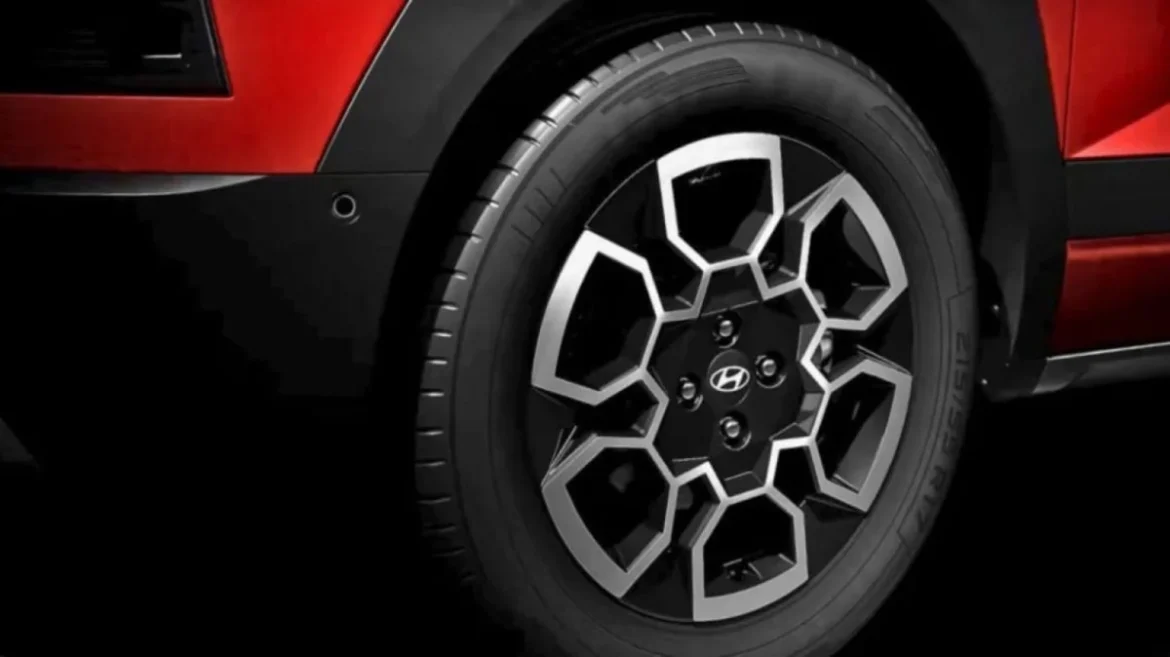
The chronological buildup to the Bayon’s release began with early trademark filings and platform testing spyshots captured on Indian roadways throughout 2025. By mid-2026, Hyundai initiated a phased marketing campaign, starting with shadowy exterior teaser images that highlighted the vehicle’s coupe-inspired roofline, sharp LED lighting signatures, and athletic stance. The latest release of interior sketches marks the second major phase of this pre-launch campaign, designed to keep consumer interest high and media speculation active ahead of the official global and regional unveiling events slated for the coming months.
Within Hyundai’s internal hierarchy, the Bayon occupies a specific strategic space. It is designed to cater to buyers who desire the elevated seating position, ground clearance, and road presence of an SUV, but prefer a package that is more agile and compact than larger models like the Creta or Tucson. By bridging the gap between traditional hatchbacks and bulky utility vehicles, the Bayon targets urban professionals and small families looking for versatility, modern styling, and advanced technological features at a competitive price point.
Industry Implications and Future Outlook
The forthcoming launch of the Hyundai Bayon carries significant implications for the Indian automotive landscape. As competition intensifies among major global and domestic players—including Maruti Suzuki, Tata Motors, Mahindra, and Kia—manufacturers are under immense pressure to continuously upgrade cabin technology, safety features, and design aesthetics to capture discerning buyers.
Hyundai’s decision to infuse the Bayon with i20-inspired interior aesthetics and a tech-forward dual-screen layout underscores a growing industry trend: the democratization of high-end cabin technology into lower vehicle segments. Features that were once reserved exclusively for luxury vehicles, such as fully digital cockpits, ambient lighting, and extensive connectivity suites, are rapidly becoming baseline expectations for consumers purchasing compact SUVs.
Furthermore, the emphasis on alternative fuel compatibility, such as the rumored CNG variant, highlights the industry’s delicate balancing act between meeting decarbonization goals and satisfying consumer demand for affordable mobility solutions. If Hyundai successfully prices the Bayon competitively and delivers on the promise of high build quality and modern features, the vehicle has the potential to disrupt the compact SUV segment and establish a new benchmark for interior design and technological integration.
As the official launch date approaches, automotive stakeholders will be closely watching for further disclosures from Hyundai, particularly concerning official powertrain specifications, safety equipment ratings, pricing structures, and exact market availability dates. Until then, the drip-feed of teaser information successfully maintains the Bayon’s status as one of the most anticipated new vehicle launches of the 2026 automotive calendar.
