
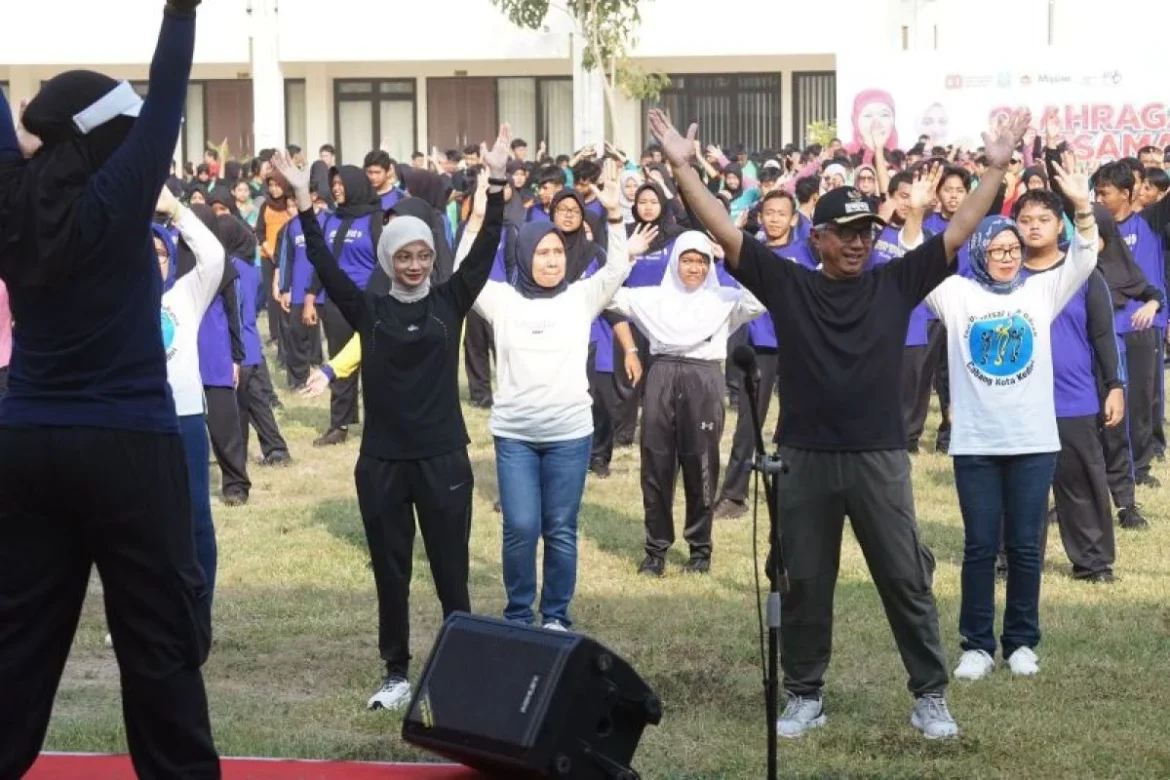
The National Sports Day, widely recognized as Hari Olahraga Nasional or Haornas, is commemorated annually on September 9th across the Indonesian archipelago. This significant national observance finds its historical roots in the inauguration of the very first National Sports Games, known as Pekan Olahraga Nasional (PON), held in Solo, Central Java, back in 1948. Over the decades, Haornas has transformed from a mere historical commemoration into a vital cultural and social momentum. It serves as a nationwide reminder of the arduous journey undertaken by Indonesian athletes and sports pioneers, while actively encouraging the general populace to integrate physical fitness and athletic discipline into their daily routines. As the nation observes the 43rd anniversary of its official proclamation in 2026, the spirit of Haornas continues to resonate strongly, bridging the gap between grassroots community health and elite international sporting achievements.
The Historical Genesis of PON 1948 and the Quest for International Recognition
To fully understand the profound significance of National Sports Day, one must look back at the tumultuous political and social landscape of post-independence Indonesia. In 1948, the young republic was still grappling with international recognition of its sovereignty following its declaration of independence on August 17, 1945. Amidst this diplomatic struggle, Indonesian sports administrators harbored a fervent desire to showcase the nation’s independent identity on the global stage, specifically by participating in the XIV Olympic Games scheduled to be held in London, Great Britain.
However, the international community, largely dominated by colonial powers and Western geopolitical interests, had not yet extended widespread diplomatic recognition to the fledgling Indonesian republic. Consequently, the international organizing bodies presented formidable bureaucratic and administrative hurdles, refusing to recognize the Indonesian contingent under its national flag and identity. Denied entry to the global arena in London, Indonesian sports leaders, visionaries, and nationalist figures refused to let geopolitical marginalization deter their athletic aspirations.
Under the leadership of figures such as Sri Sultan Hamengku Buwono IX, who served as the chairman of the Indonesian Olympic Committee at the time, a bold alternative was formulated. Instead of competing overseas, Indonesia decided to organize its own grand multi-sport event on domestic soil. This decision culminated in the historic staging of the first Pekan Olahraga Nasional (PON I), which took place from September 9 to September 12, 1948, in Solo, Surakarta, Central Java. The games brought together athletes, associations, and regional contingents from across the islands, serving as a powerful demonstration of national unity, organizational capability, and defiant self-reliance. The opening day of this landmark event, September 9, was eventually etched into the national consciousness as the foundational date for the future establishment of National Sports Day.
Chronological Milestones in the Institutionalization of Haornas
While the spirit of September 9th was born in the stadiums of Solo in 1948, the formal institutionalization of National Sports Day as an official national observance took several decades to materialize. The journey from a localized commemorative sentiment to a recognized state decree involved strategic governmental interventions aimed at mass mobilization and athletic development.
The first major milestone toward formal recognition occurred on September 9, 1983. During a grand ceremony in Surakarta, then-President Soeharto officially proclaimed September 9 as National Sports Day while inaugurating the comprehensive renovation of the historic Sriwedari Stadium. This presidential proclamation was designed to inject renewed vigor into the national sports ecosystem, encouraging both grassroots participation and elite athletic training programs.
Following the 1983 proclamation, the government sought to solidify the legal standing of the observance. This resulted in the issuance of Presidential Decree (Keputusan Presiden or Keppres) Number 67 of 1985 concerning National Sports Day. This legal framework officially cemented September 9 as a permanent fixture in the Indonesian calendar of national commemorations. The decree explicitly mandated state institutions, regional administrations, and educational bodies to utilize the date as an annual catalyst for promoting physical fitness, athletic infrastructure development, and competitive sports excellence across the archipelago.
The Modern Evolution of Haornas and the Contemporary Vision of the Ministry
As Indonesia navigates the complexities of the 21st century, the Ministry of Youth and Sports (Kemenpora) continues to redefine the core objectives of National Sports Day. In contemporary policy frameworks, such as the strategic guidelines for Haornas 2025 and 2026, the ministry emphasizes that the observance must transcend mere ceremonial pageantry. Instead, it must serve as an active instrument for societal transformation, public health enhancement, and economic stimulation.
In recent policy addresses and institutional evaluations, the leadership of the Ministry of Youth and Sports has highlighted the multifaceted dividends generated by a robust national sports culture. Beyond the traditional pursuit of gold medals and international podium finishes, modern sports administration in Indonesia is increasingly aligned with public health outcomes and economic productivity. Statistical analyses provided by health and labor agencies consistently indicate that a physically active populace experiences lower rates of non-communicable diseases, reduced healthcare expenditures, and higher workplace productivity.
Furthermore, the contemporary framing of Haornas incorporates the burgeoning concept of sport tourism and the orange economy. Major multi-sport events, ranging from the quadrennial Pekan Olahraga Nasional (PON) to specialized regional competitions like the upcoming beach games in Ancol and developmental initiatives in regions like Sumba Timur, are strategically leveraged to boost local economies, create employment opportunities, and showcase regional tourism potential. By integrating athletic development with economic foresight, the modern commemoration of National Sports Day addresses both the physical well-being of the individual citizen and the broader macro-economic goals of the nation.
Economic Implications, Infrastructure Investments, and Elite Development
The ambition to elevate Indonesia into a sporting powerhouse requires substantial capital investment, structural reform, and long-term strategic planning. In recent budget allocations and parliamentary discussions, the Ministry of Youth and Sports has underscored the critical need for massive financial backing to transform the nation’s athletic pipeline. Notably, institutional assessments have highlighted a projected requirement of approximately Rp1.5 trillion to construct state-of-the-art national academies and centralized training facilities capable of nurturing talent from the grassroots level to international podium readiness.
This capital injection is deemed essential to address historical disparities in sports infrastructure between major urban centers and remote regions. Historically, elite training facilities were heavily concentrated in major Java-based hubs, leaving talented athletes in outer islands at a distinct disadvantage. Modern sports policy, reinforced by the momentum of Haornas, seeks to decentralize and democratize access to professional training, sports science laboratories, and high-performance coaching staff.
The economic implications of these investments extend far beyond the athletic sphere. When Indonesia hosts major national and international sporting events—such as the upcoming PON editions and specialized aquatic or coastal games—host regions experience significant spikes in hospitality, tourism, culinary, and retail sectors. Small and medium-sized enterprises (SMEs) frequently report increased revenue streams during these periods, demonstrating that sports development acts as a potent multiplier for regional economic growth. Consequently, the philosophy of National Sports Day has evolved to champion the idea that every rupiah invested in sports infrastructure yields compound returns in public health, social cohesion, and economic vitality.
Societal Impact, Grassroots Participation, and the Future of Indonesian Athletics
At its core, the ultimate measure of National Sports Day’s success lies in its ability to inspire behavioral change among the general population. While elite athletes capture public imagination through dramatic victories on the international stage, the daily habits of ordinary citizens form the bedrock of a healthy and resilient nation. Public health campaigns associated with Haornas consistently urge families, schools, and corporate entities to embrace physical activity as an indispensable part of daily life.
Educational institutions play a pivotal role in this endeavor. By integrating comprehensive physical education curricula and encouraging extracurricular sports leagues, schools help instill discipline, teamwork, and resilience in the younger generation. Team sports teach valuable lessons in collaboration, strategic thinking, and emotional regulation, attributes that translate seamlessly into academic and professional success later in life.
As the nation marks the 43rd anniversary of Haornas in September 2026, the collective gaze of the sports community remains fixed on the future. The journey that began in the revolutionary atmosphere of Solo in 1948 has evolved into a sophisticated nationwide movement. By balancing grassroots health initiatives with elite infrastructural investments, Indonesia continues to honor the legacy of its sports pioneers. Every September 9th serves as a powerful reminder that the true spirit of national sports lies not merely in the accumulation of medals, but in the enduring health, unity, and indomitable character of the Indonesian people.
